1. Call and describe
The caller explains what happened, where the vehicle is and what it was exposed to. This shapes the plan and the gear.
Uvalde, TX · Uvalde County
Is there blood, vomit or another body fluid inside a car, truck or van in Uvalde? Call (877) 812-4220 any hour. Cleaners remove the contamination, disinfect the interior and treat odor in the seats, carpet and vents.
If anyone is in danger, call 911 first. For a suicide crisis, call or text 988.
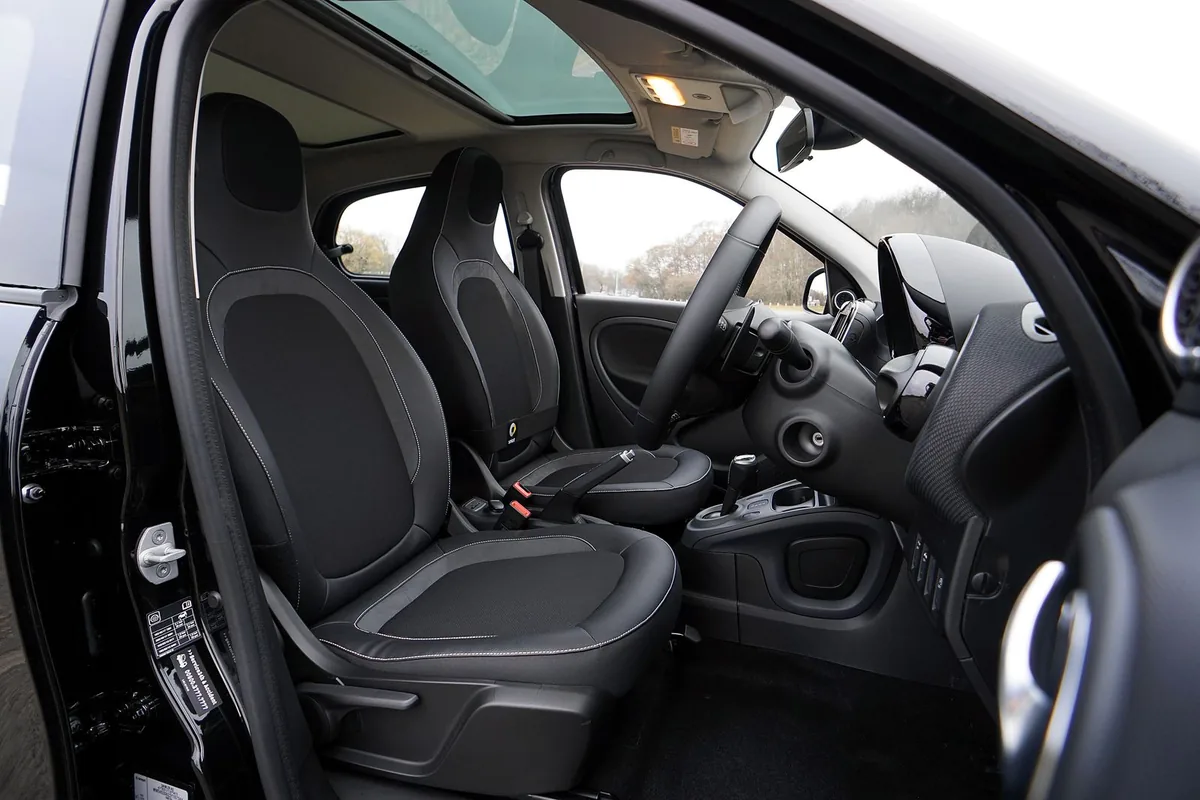
Car biohazard cleaning deals with the tight, hard-to-reach spaces inside a vehicle: seat tracks, seams, floor pans, vents and door cavities. Fluids settle in these places, and a missed spot can keep the smell alive.
For vehicle biohazard cleanup around the clock in Uvalde, Uvalde and nearby towns in Uvalde County, call Uvalde Biohazard Cleanup Help. Work on your vehicle follows bloodborne pathogen safety rules from the first step to the last.
Vehicles from Uvalde are sometimes towed toward San Antonio, so ask the tow yard where the car is before scheduling cleanup. Officers from the Uvalde County Sheriff's Office collect evidence but do not clean vehicles, so the owner or insurer books that part.
The work often covers:
The caller explains what happened, where the vehicle is and what it was exposed to. This shapes the plan and the gear.
Technicians wear full protective equipment and limit access to stop cross-contamination.
Fluids, stained upholstery and contaminated debris are removed. Surfaces that can stay are cleaned and disinfected.
The crew inspects each affected area, hauls away the waste and can provide notes for insurance claims.
Expect vehicle biohazard cleanup in Uvalde, TX to cost roughly $500 to $5,000, with the final price set after an on-site assessment.
What the fluid soaked into decides how much comes out. Seat foam, carpet and headliner that absorbed fluid usually have to be removed, which adds labor and parts.
| Type of job | Typical range |
|---|---|
| Vehicle biohazard cleanup | $500 - $5,000 |
Estimates only, not a quote. Sources: BioCleaners Directory. Price drivers include type of interior materials, how serious the event was, time since the event, air system decontamination. Call (877) 812-4220 to talk through the job.
Yes. A regular detail cleans dirt and stains with household products. Biohazard car detailing starts with decontamination, then moves to restoring the finish. Skipping the first step leaves germs and odor behind.
A salvage vehicle is one an insurer has declared a total loss. Some are also tagged for contamination when blood or fluids were involved. Labels and rules vary, so ask the insurer or the state title office what applies to a specific vehicle.
It depends on the vehicle, the amount of contamination and how much has to be removed. A single stained seat is a shorter job than a cabin with fluids on many surfaces. Odor treatment can add time.
Cleaners follow rules designed to protect workers and the public from bloodborne pathogens, including the OSHA Bloodborne Pathogens Standard, 29 CFR 1910.1030. They wear PPE and use EPA-registered disinfectants.
A vehicle where a death occurred is cleaned only after law enforcement or the medical examiner releases it. The team removes contaminated materials, disinfects and treats odor, which can settle into seats, headliner and vents.
Yes. Waste is lifted with protection, soaked materials are removed and surfaces are disinfected. Urine travels deep into foam, so seats may need to be taken out or replaced if the smell remains.
One call starts the cleanup, disinfection and disposal.
Call (877) 812-4220